An Overdue Government Invoice: Build an Evidence-Based Escalation
Trace invoice receipt, acceptance and disputes, then escalate a public-sector payment query with a concise supporting evidence pack.
At a glance
Confirm the applicable payment terms, invoice receipt and acceptance evidence, identify any genuine dispute, and escalate through the issuer's verified finance process with a dated evidence pack.
This is independent guidance from TenderSearch SA, not advice from a government authority. Verify current requirements with the issuer and these official references: National Treasury: Treasury Regulations 2005, regulation 8.2.3 · National Treasury: General Conditions of Contract (July 2010) · Government: Municipal Finance Management Act 56 of 2003.
Establish what is actually overdue
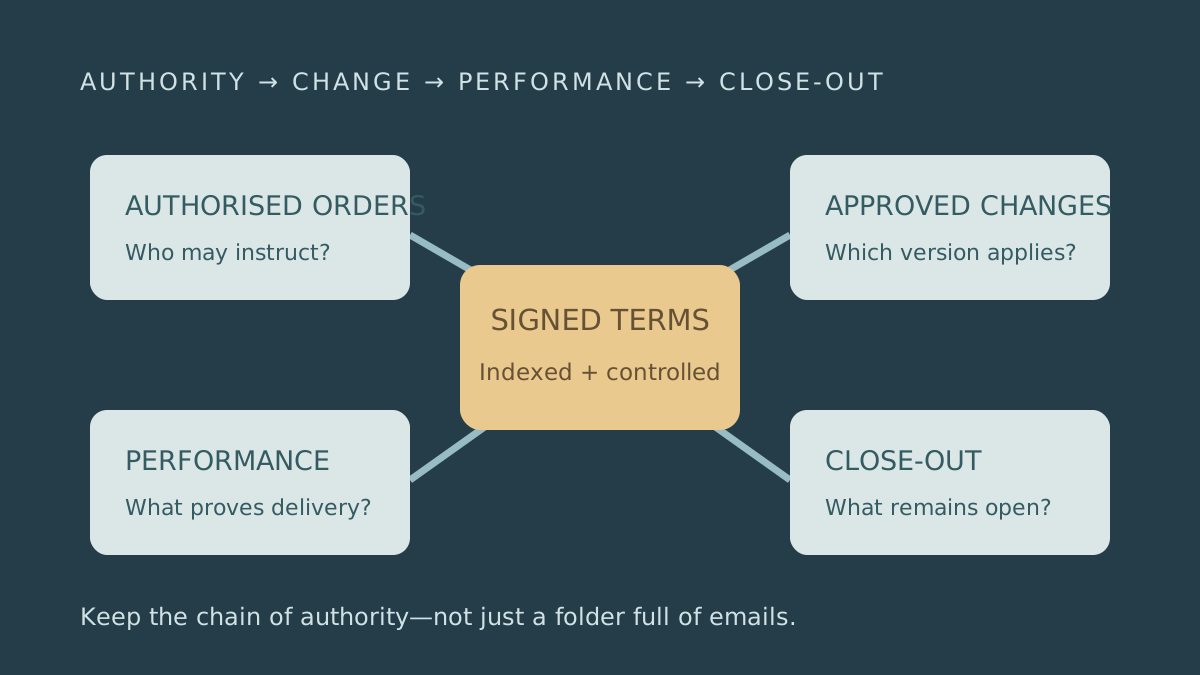
Start with the buyer's legal identity and your signed contract or purchase order. Identify the payment clause, required invoice channel, supporting documents and any acceptance conditions. An invoice date alone may not establish when the buyer received a correct invoice or when a contractual payment obligation became due.
For relevant PFMA institutions, Treasury Regulation 8.2.3 provides a 30-day rule for payments due to creditors from receipt of an invoice unless a contract or other agreement determines otherwise. Municipal payment obligations arise under their applicable framework, including the MFMA. Do not combine these into a claim that every public-sector invoice, including a disputed one, is automatically payable within 30 days in every circumstance.
Create a payment evidence timeline
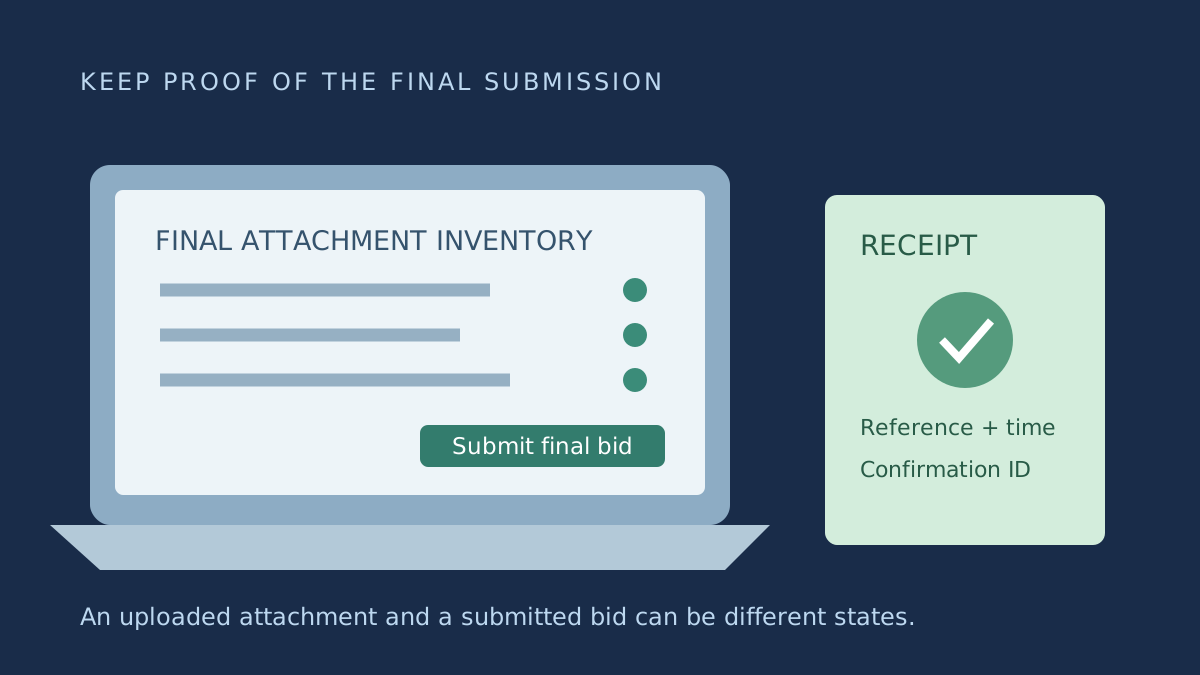
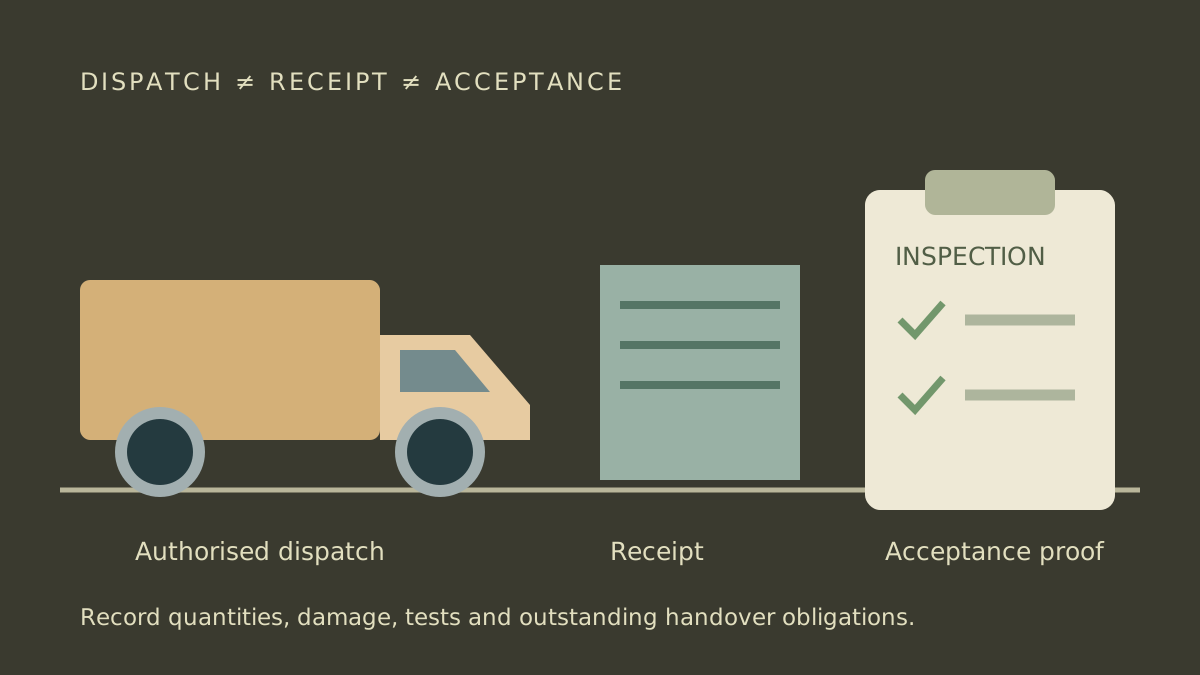
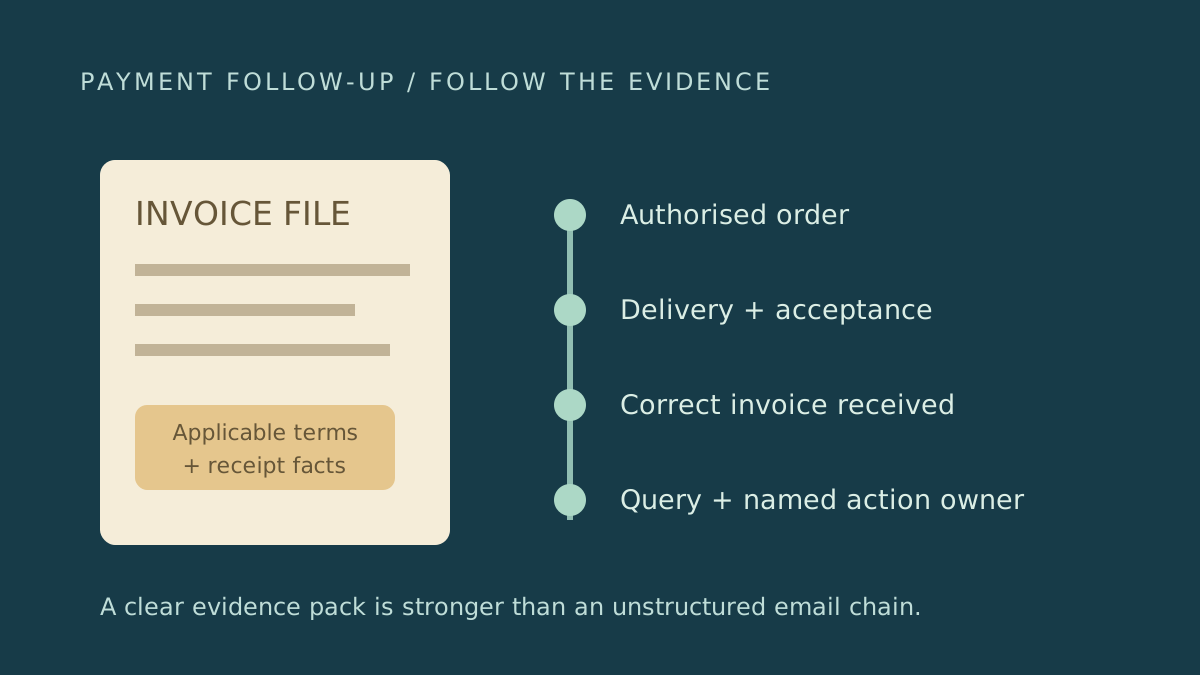
Record contract and order reference, authorised scope, delivery date, proof of delivery, inspection or acceptance date, invoice number, amount, tax treatment, submission channel and confirmed receipt date. Add any rejection, query, credit note or corrected invoice with its date and reason. Preserve the original invoice rather than silently replacing it in your records.
Compare the buyer's query with the contract. A missing purchase-order reference, mismatched amount or absent acceptance record may explain why processing stopped, but do not assume every delay is legitimate. Ask for a specific written reason and the action needed to resolve it. Separate a disputed portion from any undisputed amount in your internal reconciliation.
Check that bank details match the verified supplier record and that any change was handled through the official process. A payment follow-up is a common point for fraud: never accept a new banking instruction solely from an unexpected email or someone claiming to expedite the transfer.
Send a focused first escalation
Use the invoice-processing or accounts-payable contact obtained from the issuer's official site or your verified contract correspondence. State the contract and invoice references, date of receipt, amount outstanding, contractual basis for the due date and the requested response. Attach a short indexed pack rather than a long chain of unrelated messages.
Illustrative wording: 'Please confirm the processing status of invoice [number], received through [channel] on [date]. Attached are the order, acceptance evidence and receipt. Our calculation under clause [number] shows payment due on [date]. Please identify any unresolved query and the responsible official.' This is a factual outline; it does not replace a formal demand where legal action is contemplated.
Escalate the blockage, not just the frustration
If finance says acceptance is missing, involve the contract manager with the delivery and inspection records. If the problem is an incorrect invoice, correct it transparently and retain the old version. If the buyer disputes performance, request the basis and follow the contract's dispute procedure rather than treating the matter as a simple processing delay.
Maintain an escalation log with contact, date, response, promised action and follow-up date. Move through the issuer's published management or complaint channels where appropriate. Verify any Treasury or small-business assistance route currently available before sharing documents; a complaint channel does not necessarily adjudicate the debt or guarantee payment.
Reconcile partial payments
Where a payment arrives, match it to the remittance advice and invoice allocation before declaring the query resolved. Record deductions, credit notes and any remaining balance separately. Ask for the basis of an unexplained short payment rather than issuing a duplicate invoice for the full amount. A clear running statement helps both sides distinguish a processing error from a genuine disagreement about quantities, certification, retention or tax.
Protect rights and future cash flow
Obtain advice before charging interest, suspending work, terminating or starting recovery proceedings. Those steps can depend on the contract, statute, notice requirements and dispute facts. Do not assume that stopping deliveries is safe simply because one invoice is late, or that an ordinary follow-up email preserves all legal claims indefinitely.
After resolution, record the actual cause and improve controls: correct invoice address, acceptance sign-off, order references and confirmation of receipt. Forecast payment using evidence and realistic scenarios rather than a guaranteed collection date. A tidy evidence pack helps officials investigate, but it cannot promise recovery, solve every contractual dispute or replace professional debt and legal advice.
- Identify governing contract and payment rule.
- Prove receipt and relevant acceptance.
- Reconcile queries and disputed amounts.
- Escalate with an indexed evidence pack.
- Seek advice before suspension or enforcement.
Frequently asked questions
Does 30 days apply to every invoice without exception?
No. Identify the institution, applicable rule, contract terms, receipt facts and dispute position. Treasury Regulation 8.2.3 itself recognises a contract or other agreement determining otherwise.
Can I immediately stop work over a late invoice?
Do not assume so. Follow the contract and obtain advice on notices, suspension rights and the consequences of stopping performance.
Found this useful? Share it with another business — it costs you nothing and helps us reach more South African bidders.
Put your bid preparation into practice
Browse public tender previews, check the official requirements, then shortlist opportunities that fit your business. Starter is R149/month for search and saves. Professional at R299/month adds daily keyword email alerts, unlimited saves and closing-date reminders.
Compare tender subscription plans